
I've always liked the Hyundai Palisade.
Actually, that's probably underselling it. I liked the first one enough that I bought one back in 2022, and after spending a week with the new Palisade XRT Pro, there's still an awful lot here that I like.
It's comfortable. It's enormous inside. It feels properly upmarket, it swallows children and everything children apparently require to leave the house for six hours, and despite its considerable dimensions, it's remarkably easy to live with.
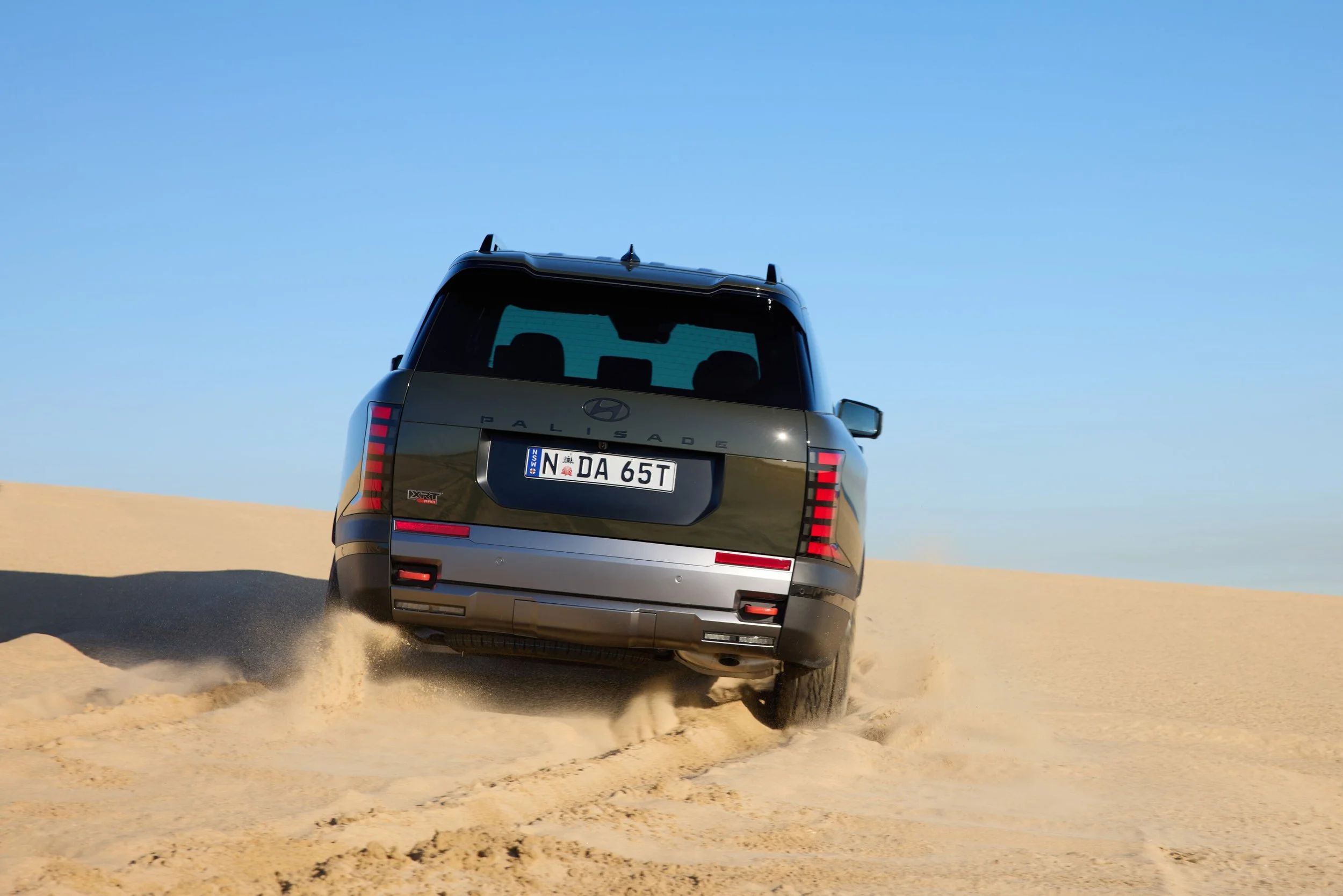
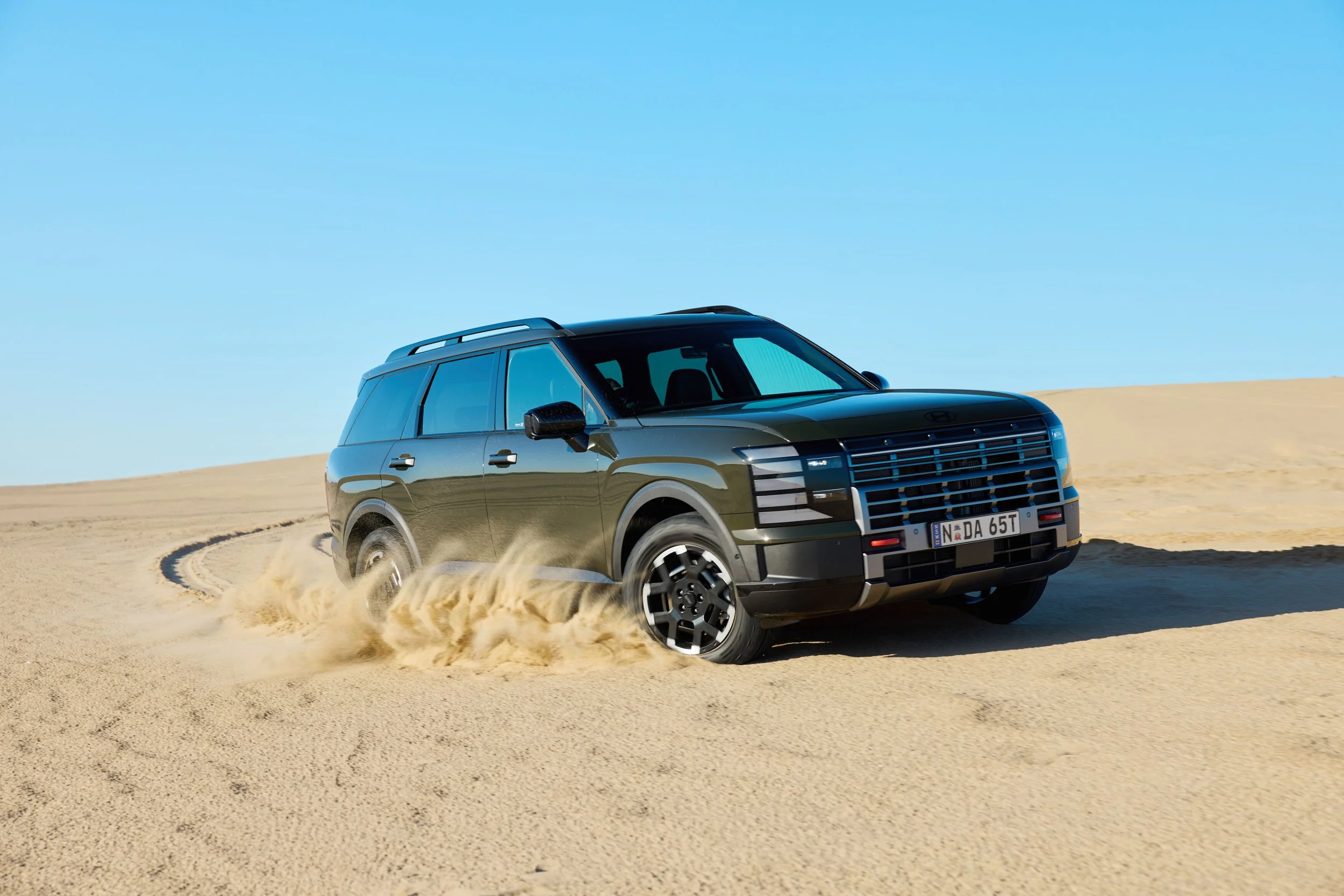
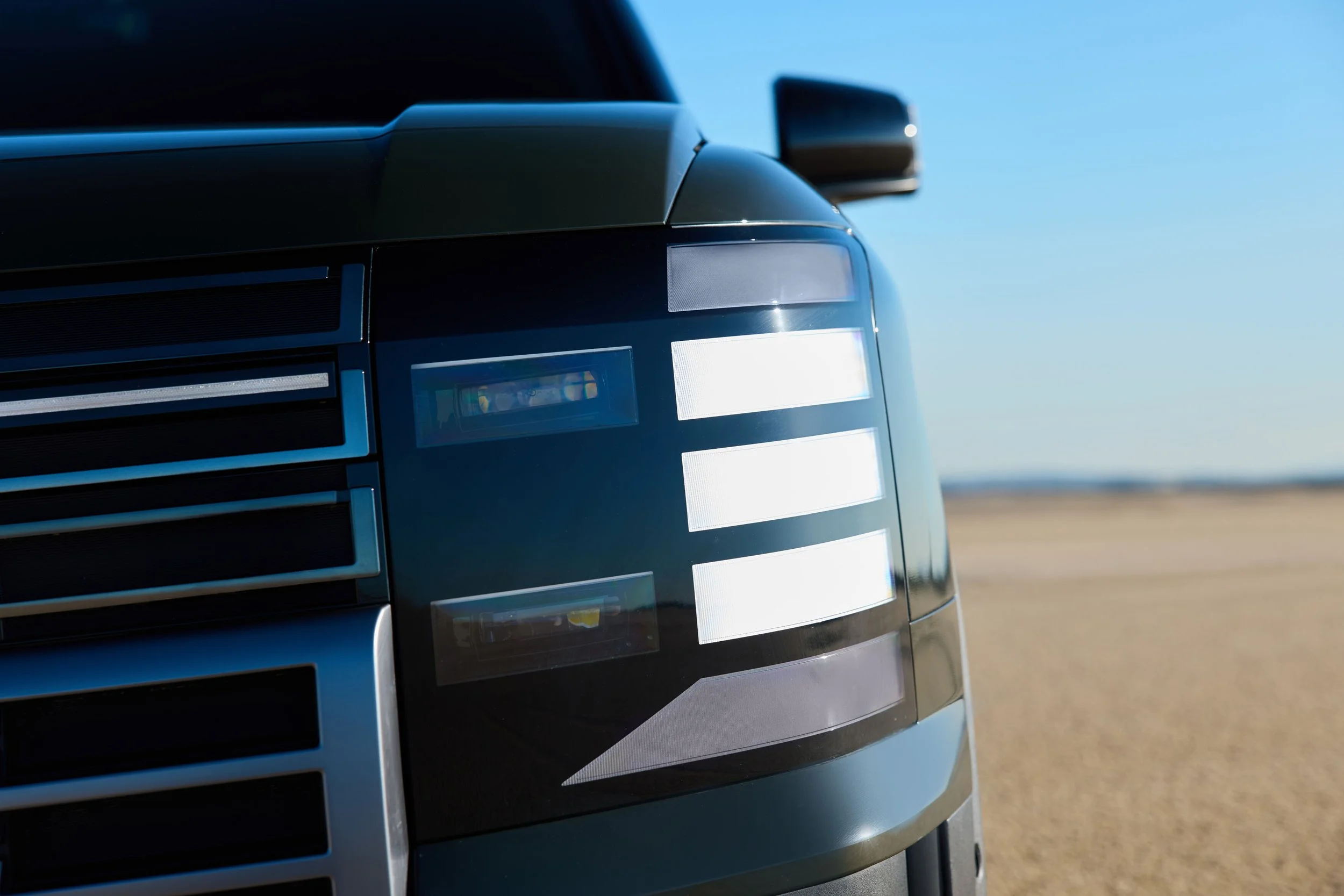
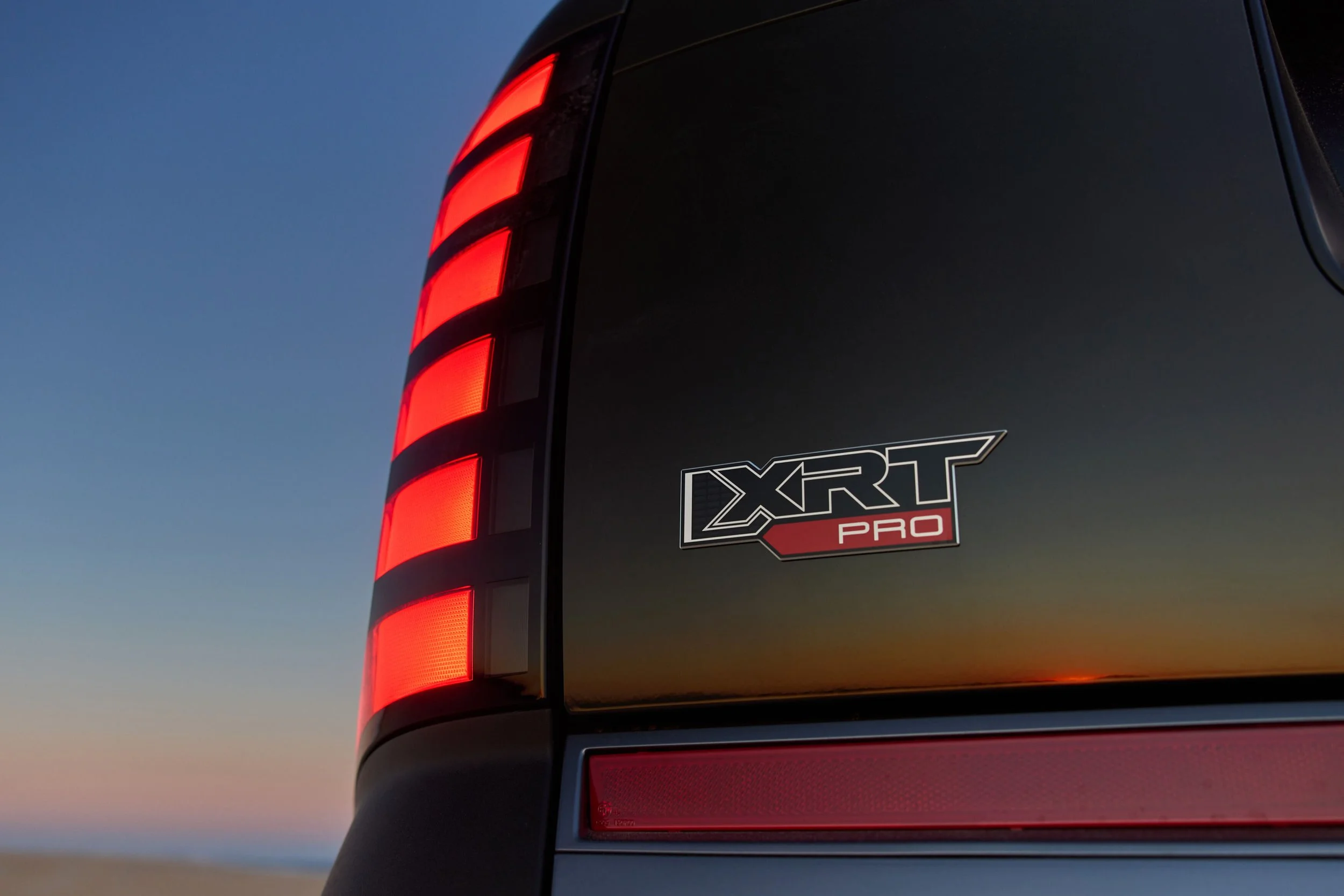
The XRT Pro also looks fantastic.
Chunkier tyres. More ground clearance. Tougher bumpers. Black trim. Just enough visual aggression to suggest that somewhere beneath the school-run sensibility is a Palisade that's recently discovered flannel shirts and owns an expensive camping chair.
I like it.
There's just one fairly significant problem.
I have absolutely no idea who it's for.
Because the Palisade XRT Pro costs $79,900 before on-road costs.
And do you know what else costs $79,990?
A Toyota LandCruiser Prado GXL.
That's a $90 difference.
Which creates a rather awkward question for Hyundai, because if I'm spending roughly eighty grand on a large family SUV that's deliberately presenting itself as something I can take properly off-road, why wouldn't I simply buy the proper 4WD?
And that's before the Ford Everest enters the conversation.
So I spent most of my week with the XRT Pro trying to answer one seemingly simple question:
Why does this exist?
Strangely enough, by the end of the week I think I understood it.
Price and Key Specifications
The XRT Pro sits in a slightly unusual position within the Australian Palisade range.
While the rest of the current Palisade family uses Hyundai's 2.5-litre turbocharged hybrid drivetrain, the XRT Pro goes its own way.
Under the bonnet is a 2.5-litre turbocharged four-cylinder petrol engine producing 207kW and 422Nm, paired with an eight-speed automatic transmission and all-wheel drive.
And before anyone starts thinking the XRT Pro is simply a Palisade with some black badges and adventurous marketing photography, Hyundai has actually made some meaningful changes.
2027 Hyundai Palisade XRT Pro
Price: $79,900 before on-road costs
Engine: 2.5-litre turbocharged four-cylinder petrol
Power: 207kW
Torque: 422Nm
Transmission: 8-speed automatic
Drivetrain: HTRAC all-wheel drive
Fuel economy: 11.2L/100km claimed
Fuel tank: 72 litres
Fuel: 91 RON unleaded
Kerb weight: 2258kg
Braked towing capacity: 2200kg
Unbraked towing capacity: 750kg
Ground clearance: 212mm
Length: 5090mm
Width: 1980mm
Height: 1830mm
Wheelbase: 2970mm
Seating: 8
Boot: 317L / 729L / 2098L
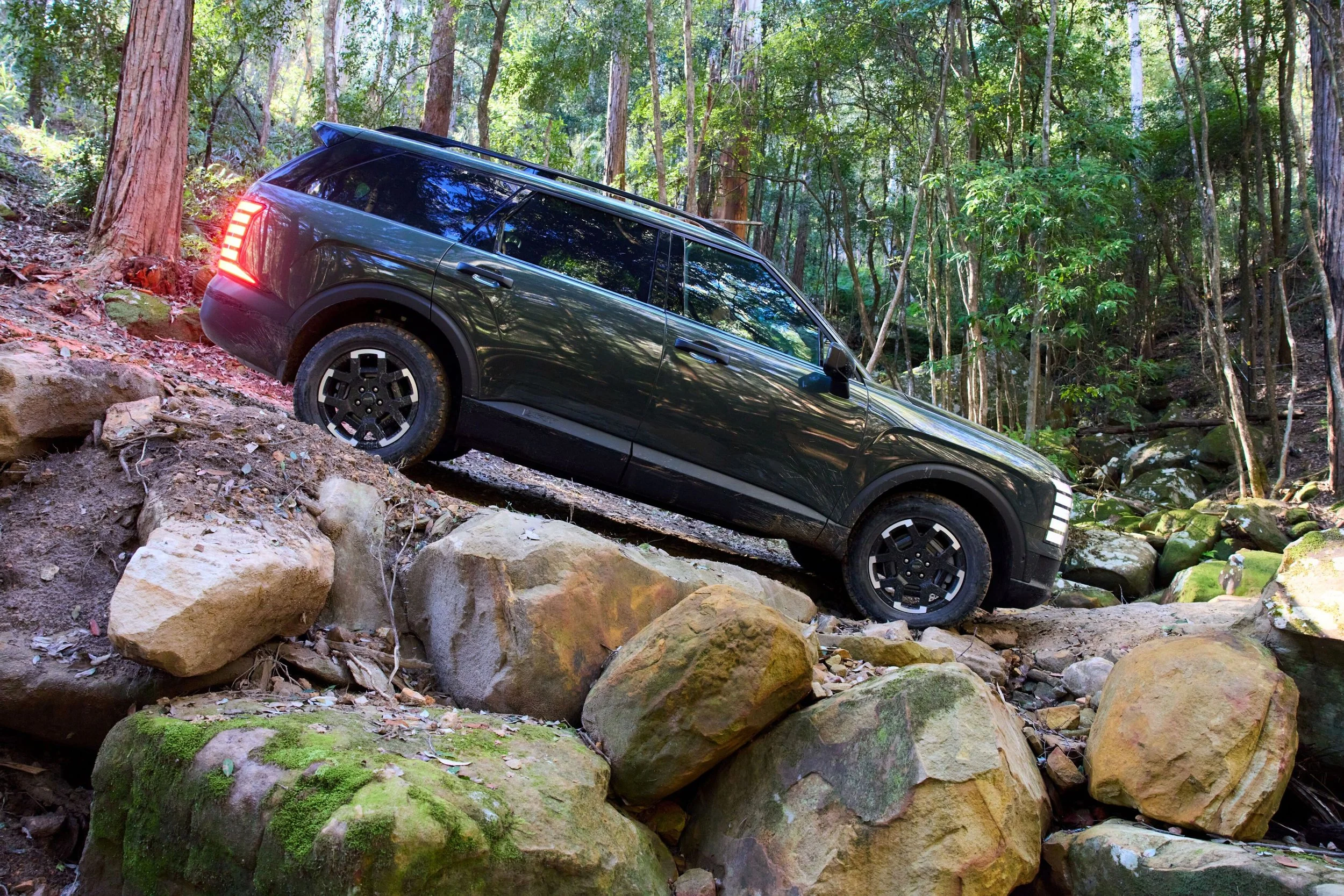
Ground clearance is up 25mm over the regular Palisade to 212mm, while approach, departure and ramp-over angles improve to 20.5, 22.4 and 18.3 degrees respectively.
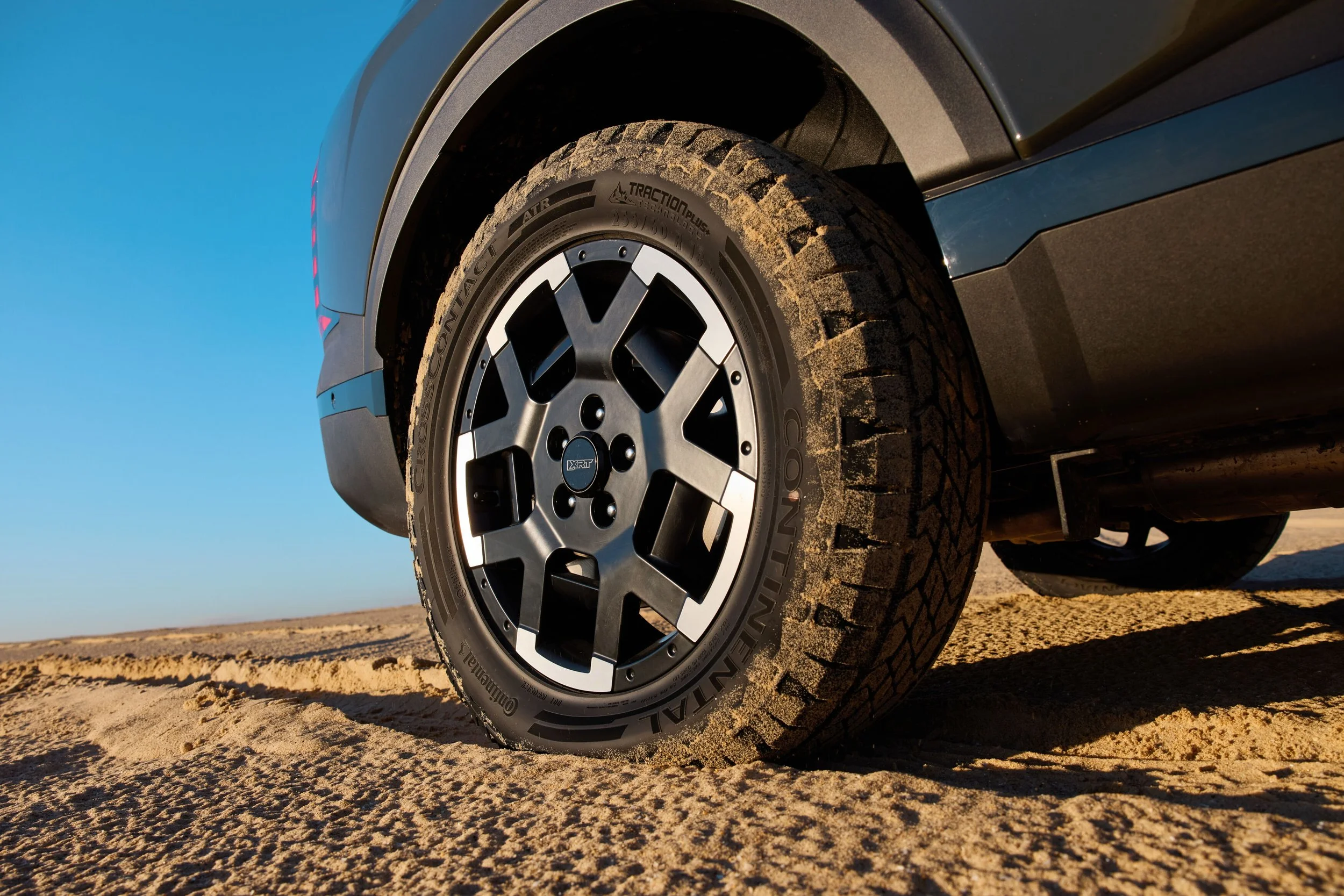
There's also an electronic limited-slip differential, all-terrain tyres, revised suspension and terrain modes designed to give the XRT Pro considerably more ability once the bitumen disappears.
So this isn't just cosplay.
There is actual engineering underneath the black trim.
The interesting part is deciding whether it's enough engineering to justify what the XRT Pro costs — and whether the person who needs all of this wouldn't simply be better served by something designed as a proper four-wheel-drive from the outset.
Design
Whatever existential crisis the XRT Pro creates on paper, I think we can agree on one thing.
It looks bloody good.
The new-generation Palisade already has far more presence than the model I owned in 2022. Hyundai has moved away from the softer, more rounded appearance of the previous car and given this one a much more upright, squared-off shape.
Then the XRT Pro toughens it further.
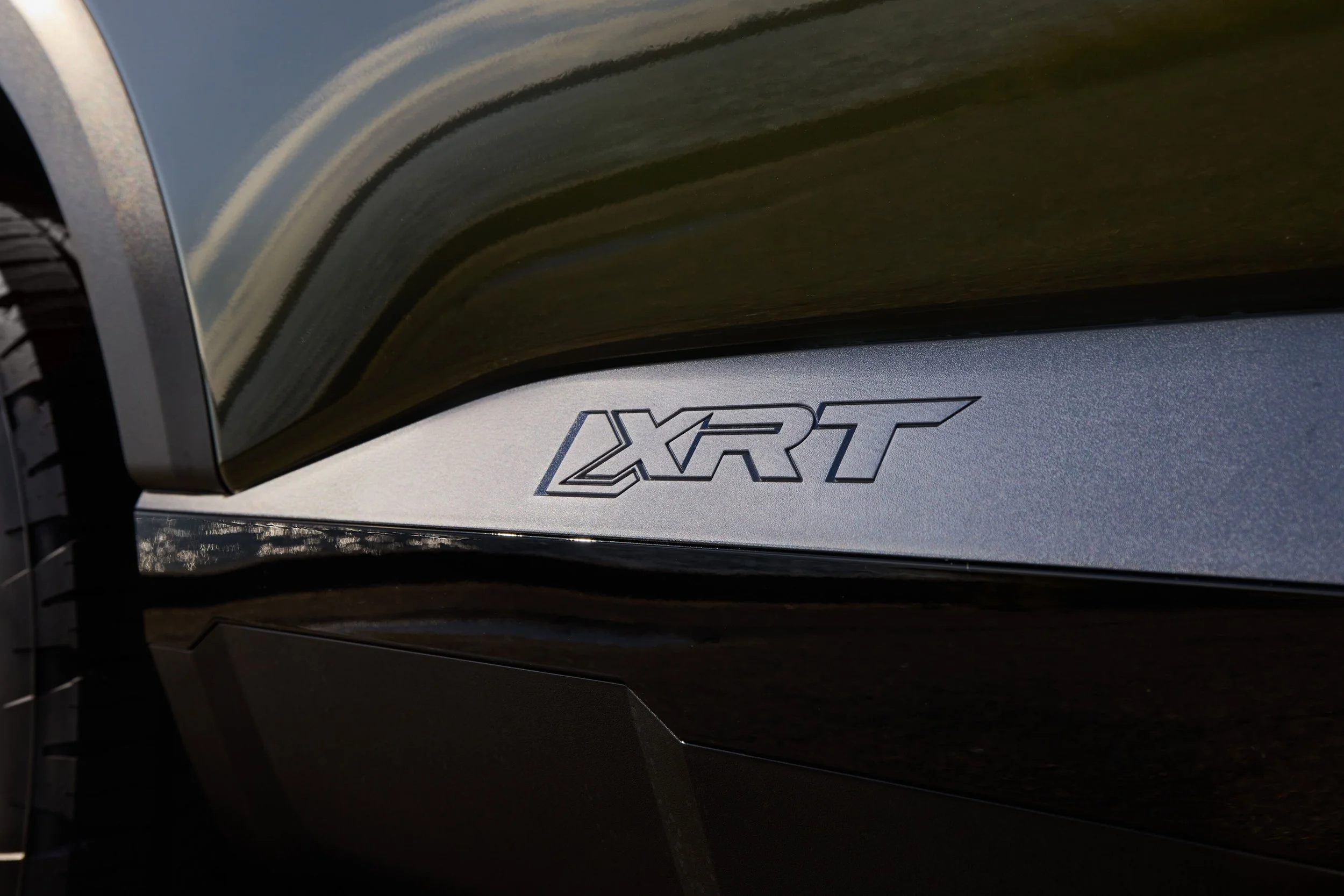
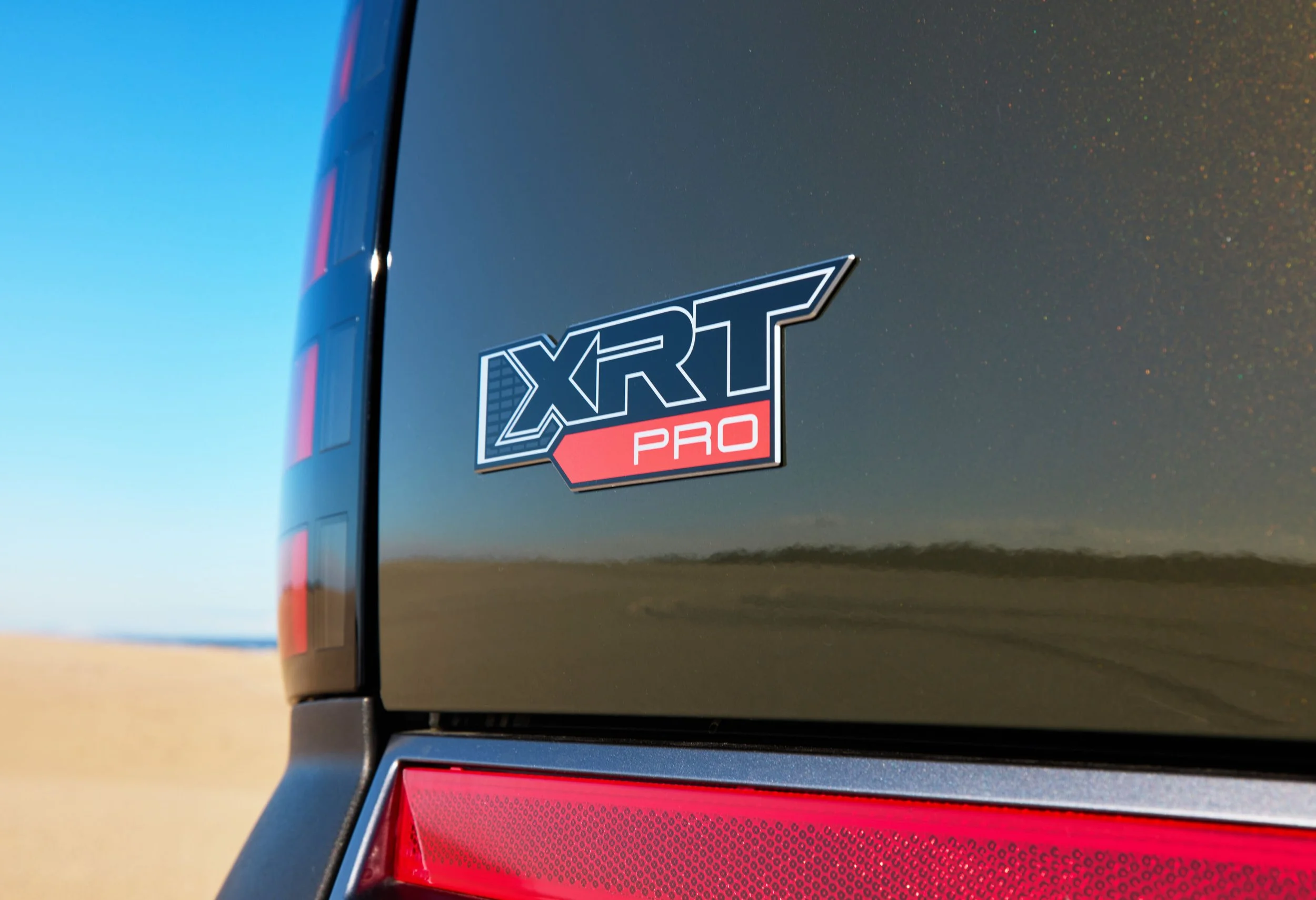
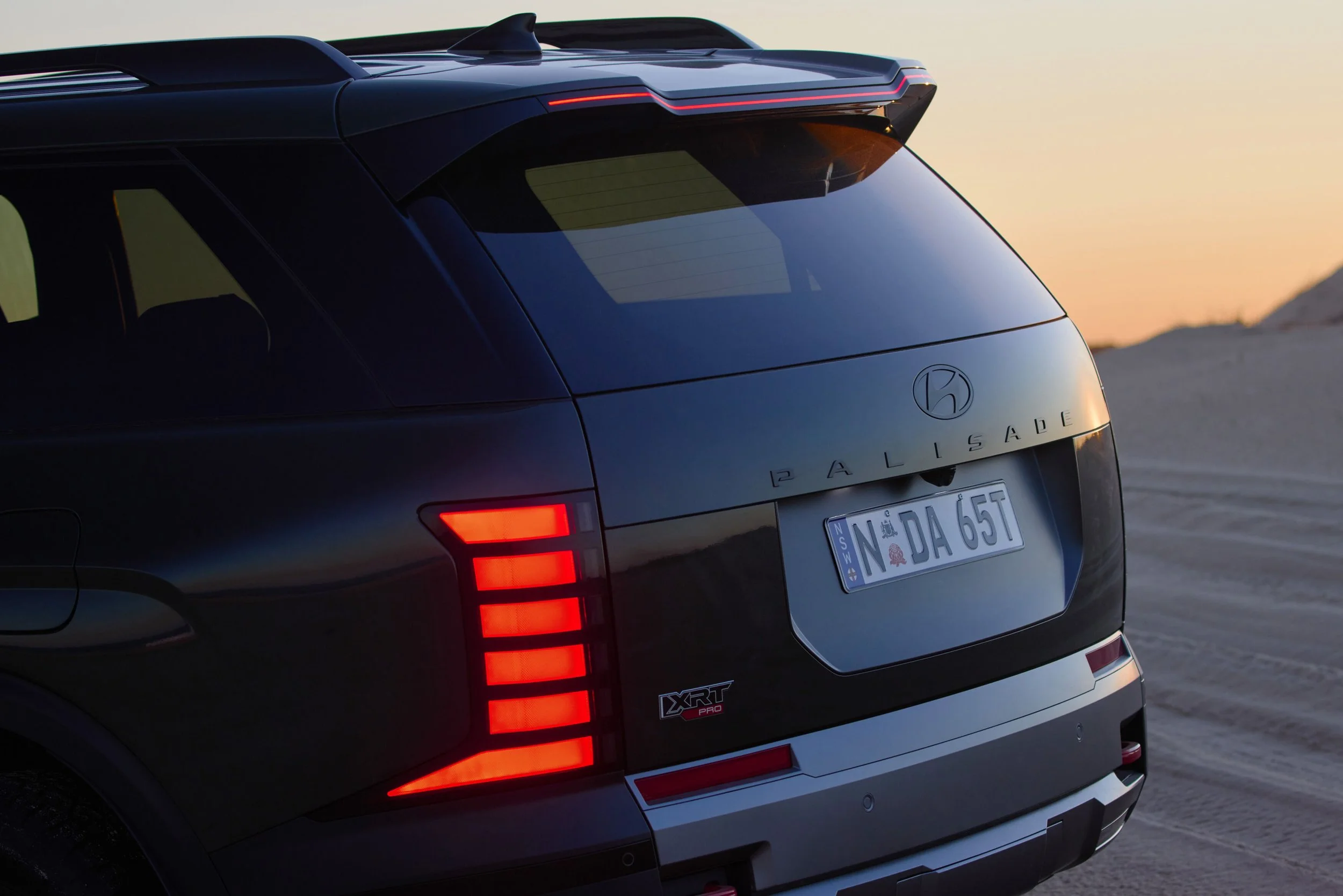
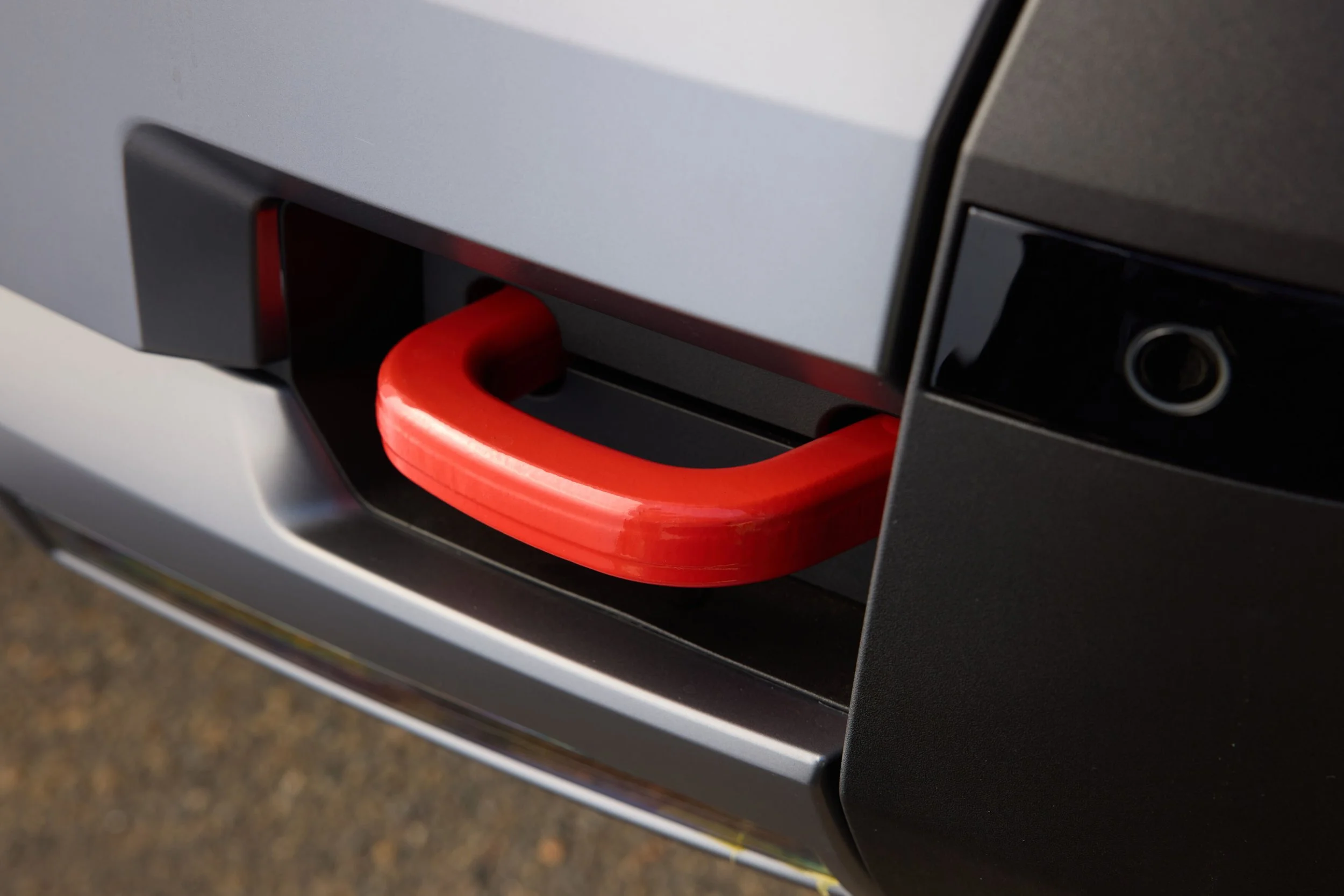
There are unique front and rear bumpers, black exterior detailing, chunky all-terrain tyres, increased ride height, roof rails and XRT-specific touches scattered around the body.
And importantly, Hyundai hasn't overdone it.
There's always a danger with these adventure-themed versions of otherwise road-focused SUVs that they end up looking like someone attacked the accessories catalogue after three beers.
The XRT Pro doesn't.
It looks purposeful.
The extra ride height helps the proportions, the tyres fill the arches nicely and the darker trim works particularly well against lighter paint colours.
It's recognisably a Palisade, but one that looks considerably more prepared to get dirty.
And perhaps most importantly, it doesn't look like it's trying desperately to convince you it's something it isn't.
Interior and Practicality
This is where the Palisade starts throwing punches at the traditional four-wheel-drive crowd.
Because while a Prado or Everest might have the advantage when you're halfway up a rocky climb, the Hyundai makes an incredibly convincing argument during the other 350 days of the year.
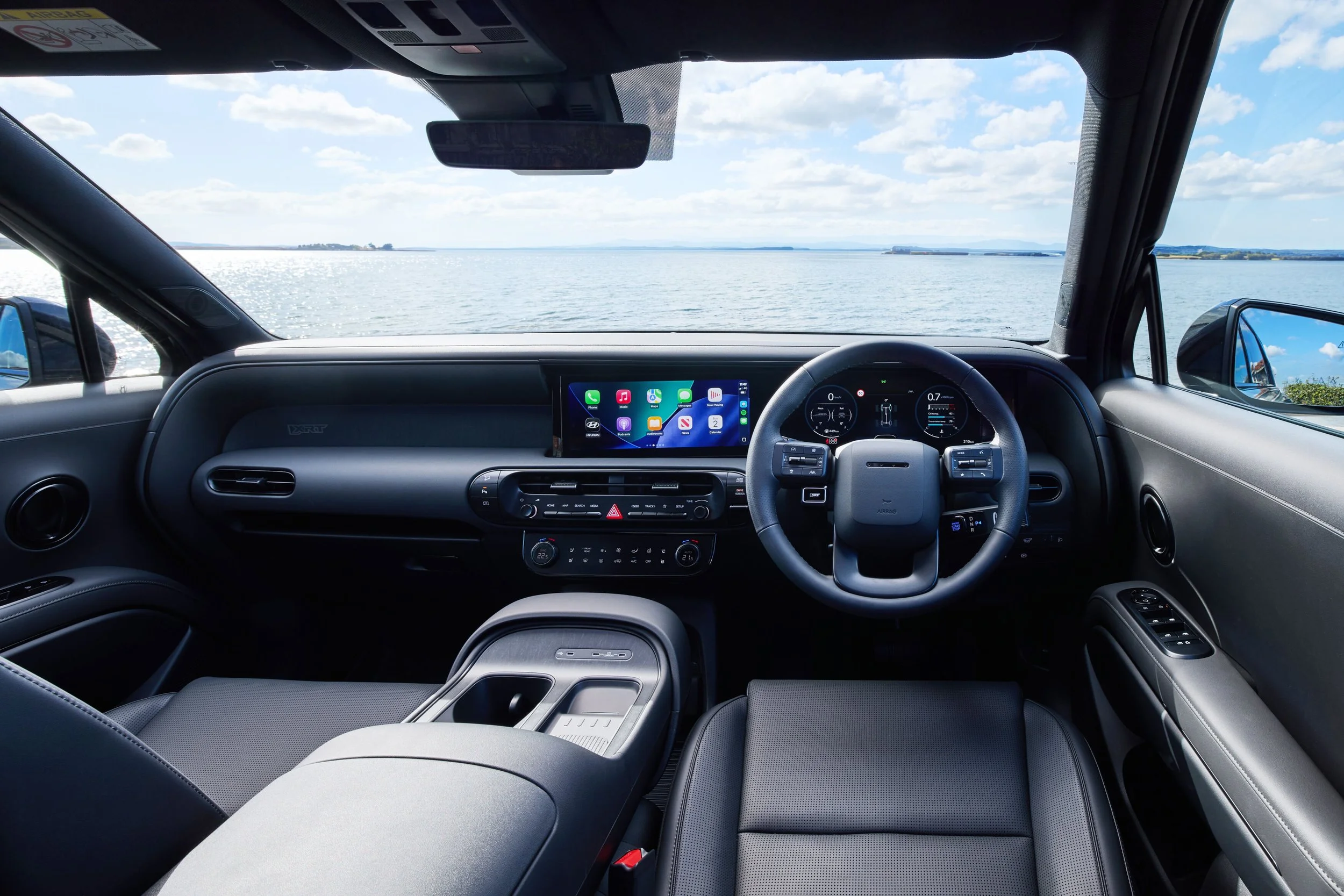
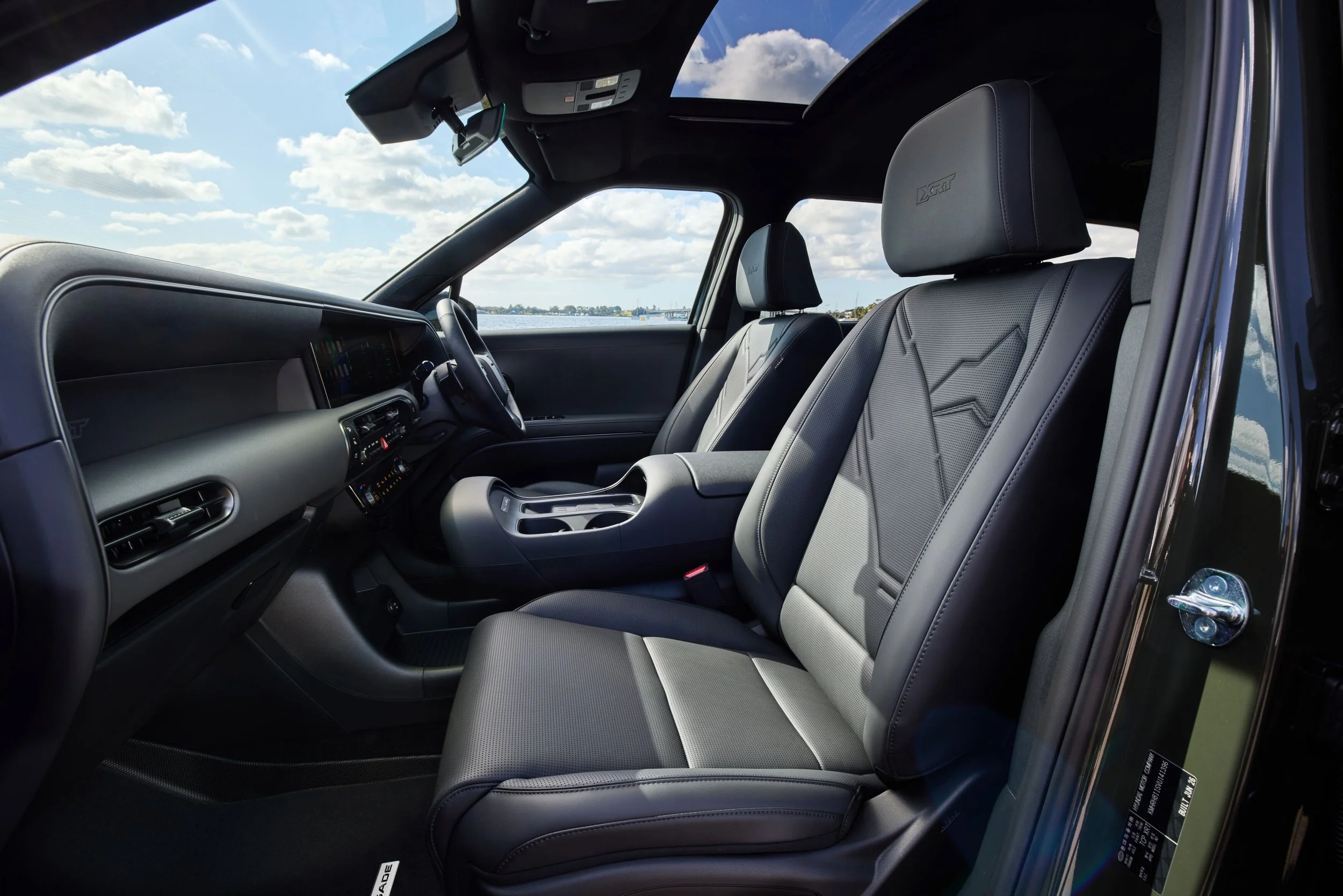
The cabin is excellent.
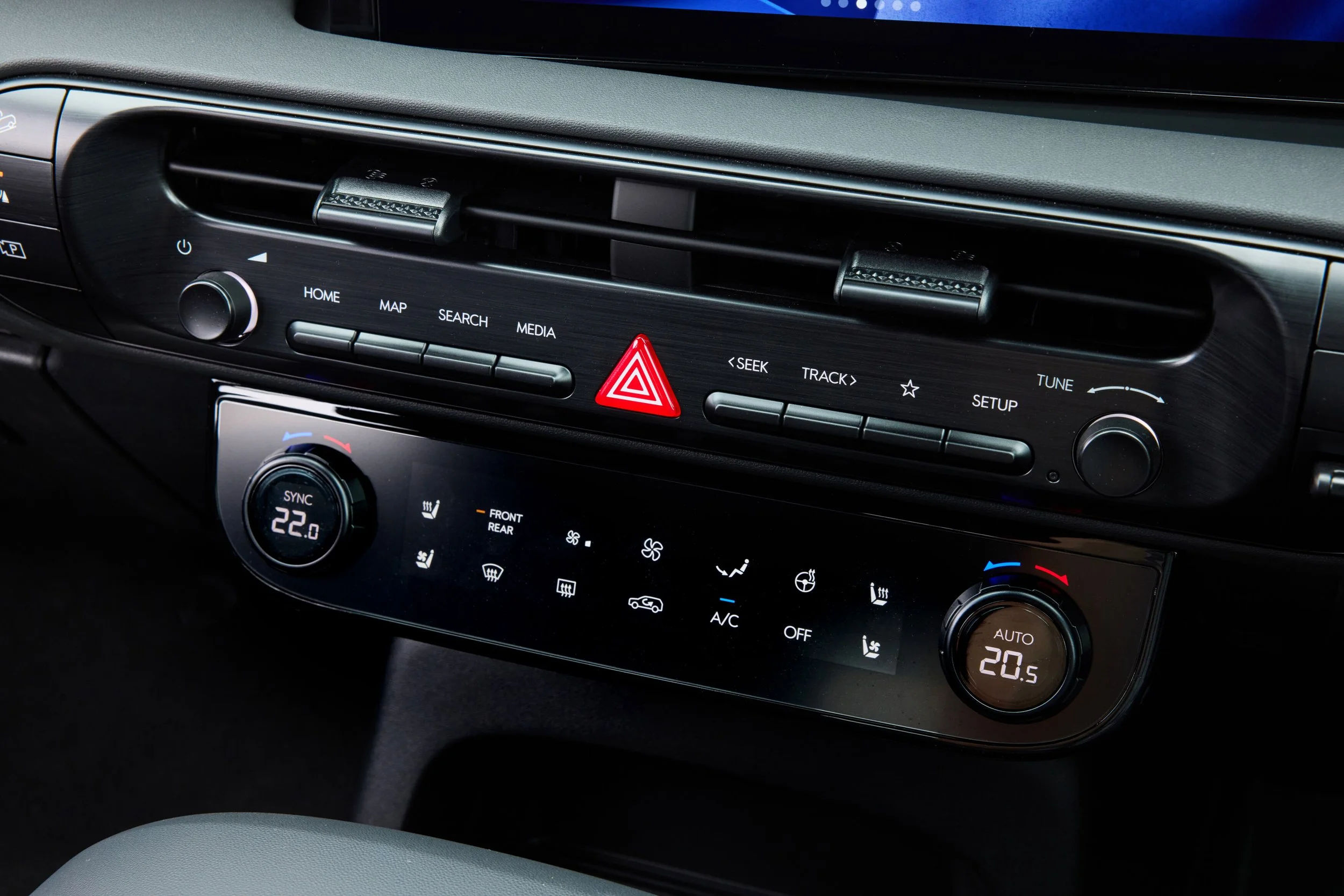
There's a sense of width and space immediately, helped by the horizontal dashboard layout and twin-screen arrangement, and material quality is appropriately impressive for something nudging $80,000.
More importantly, it feels designed around families rather than merely capable of carrying one.
And there's a difference.
Storage is everywhere.
There are cupholders everywhere.
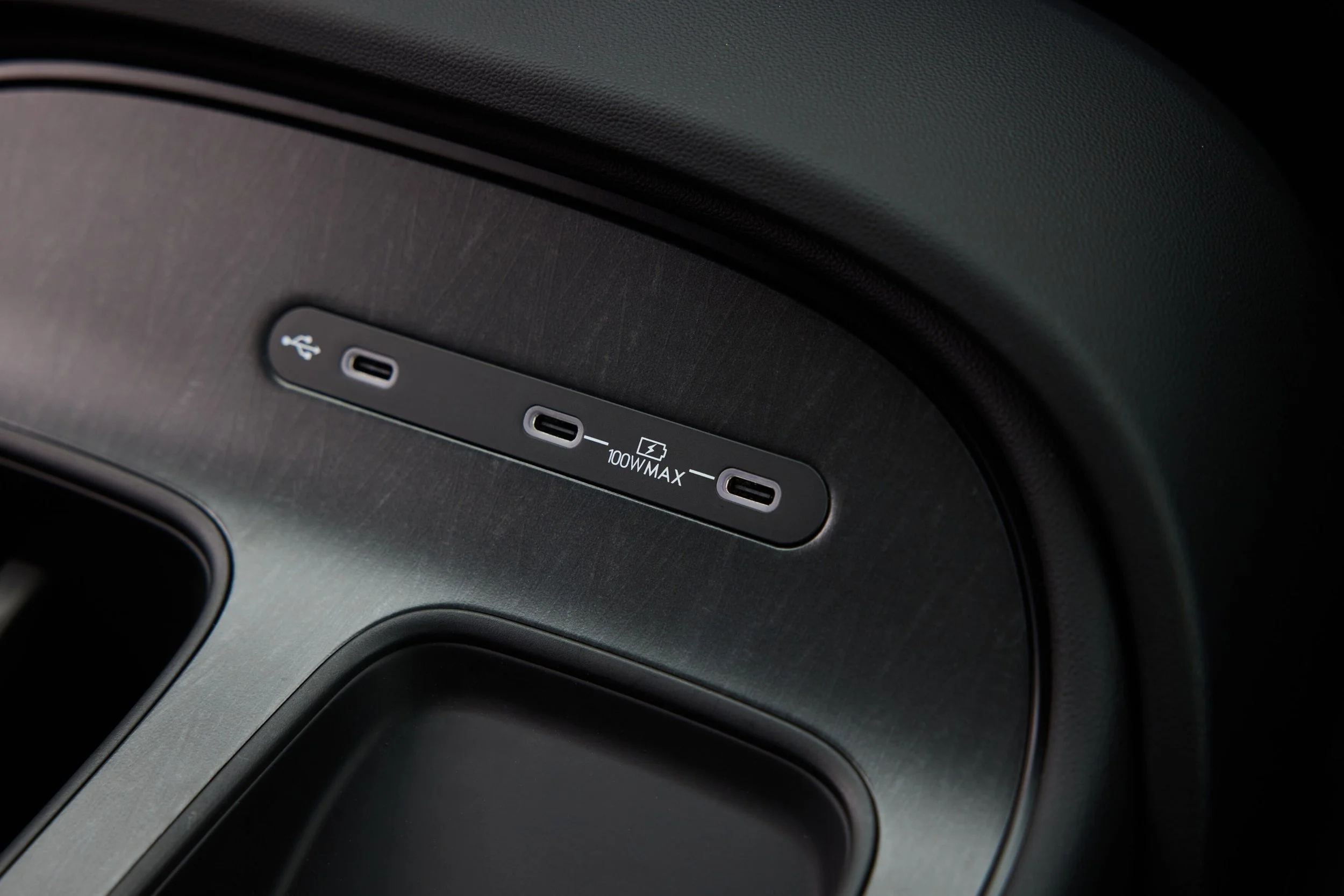
There are charging points everywhere.
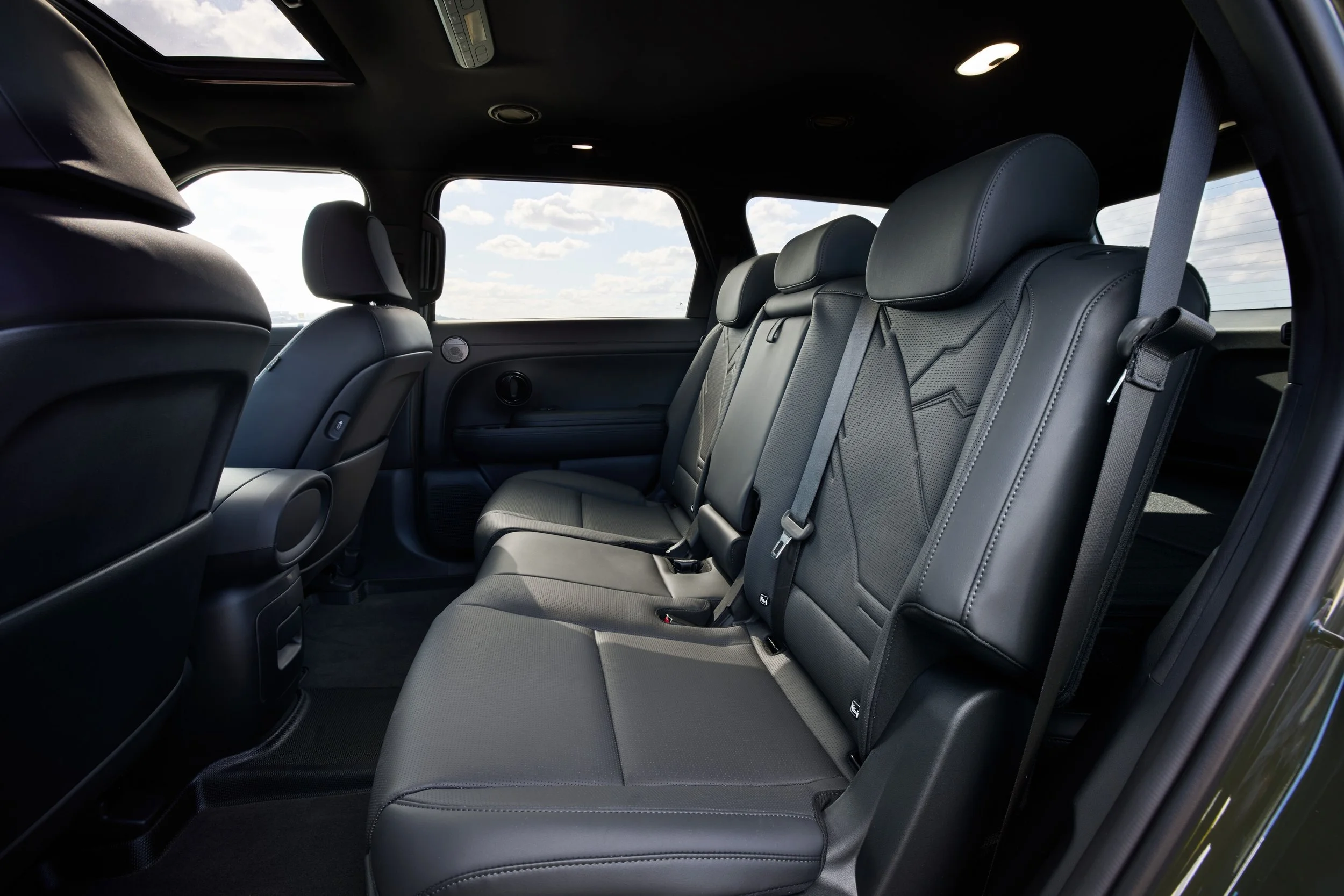
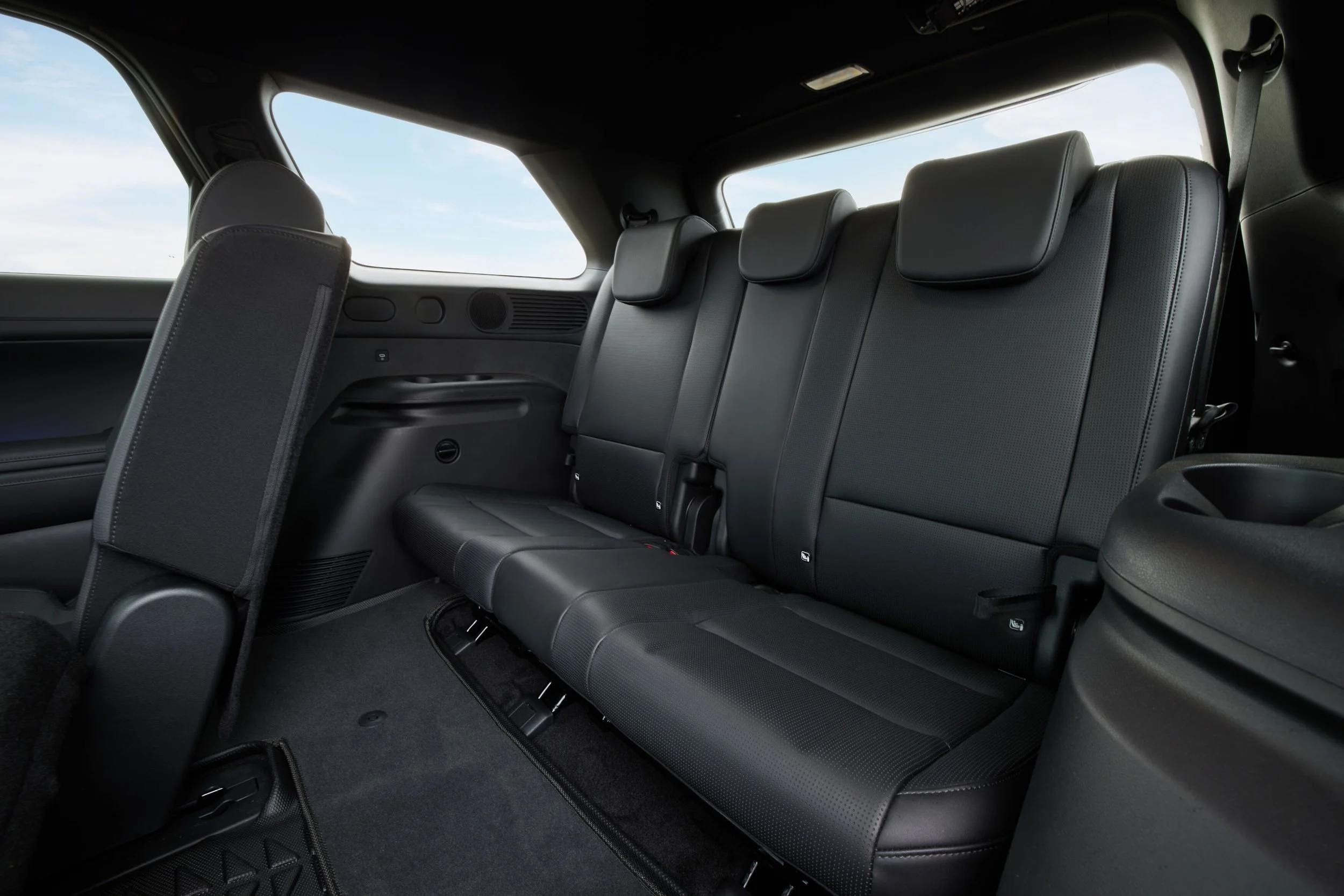
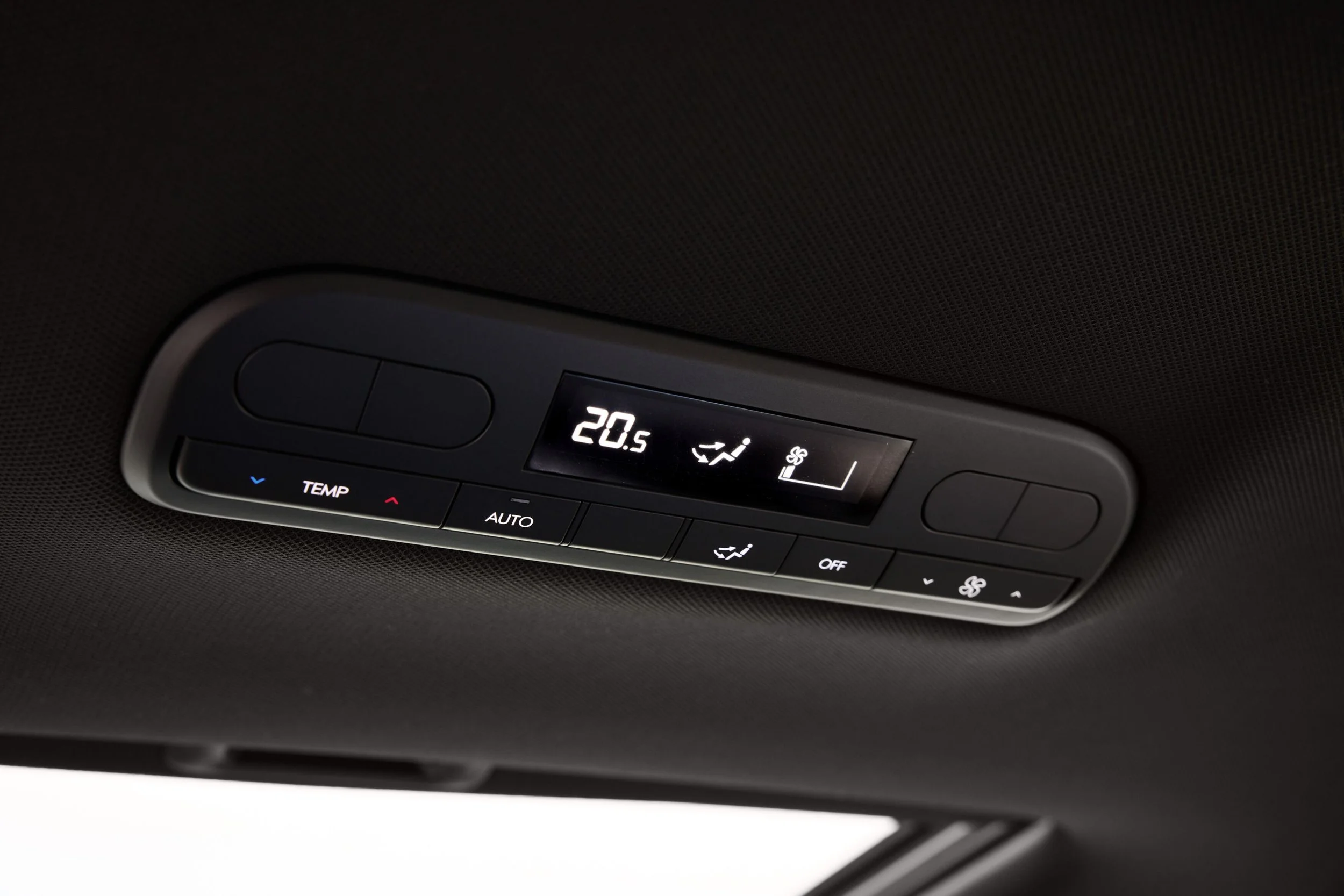
The second row genuinely accommodates adults, while the third row isn't merely somewhere you send whichever child drew the shortest straw.
With eight seats, the XRT Pro also gives larger families something increasingly difficult to find without moving into a people mover.
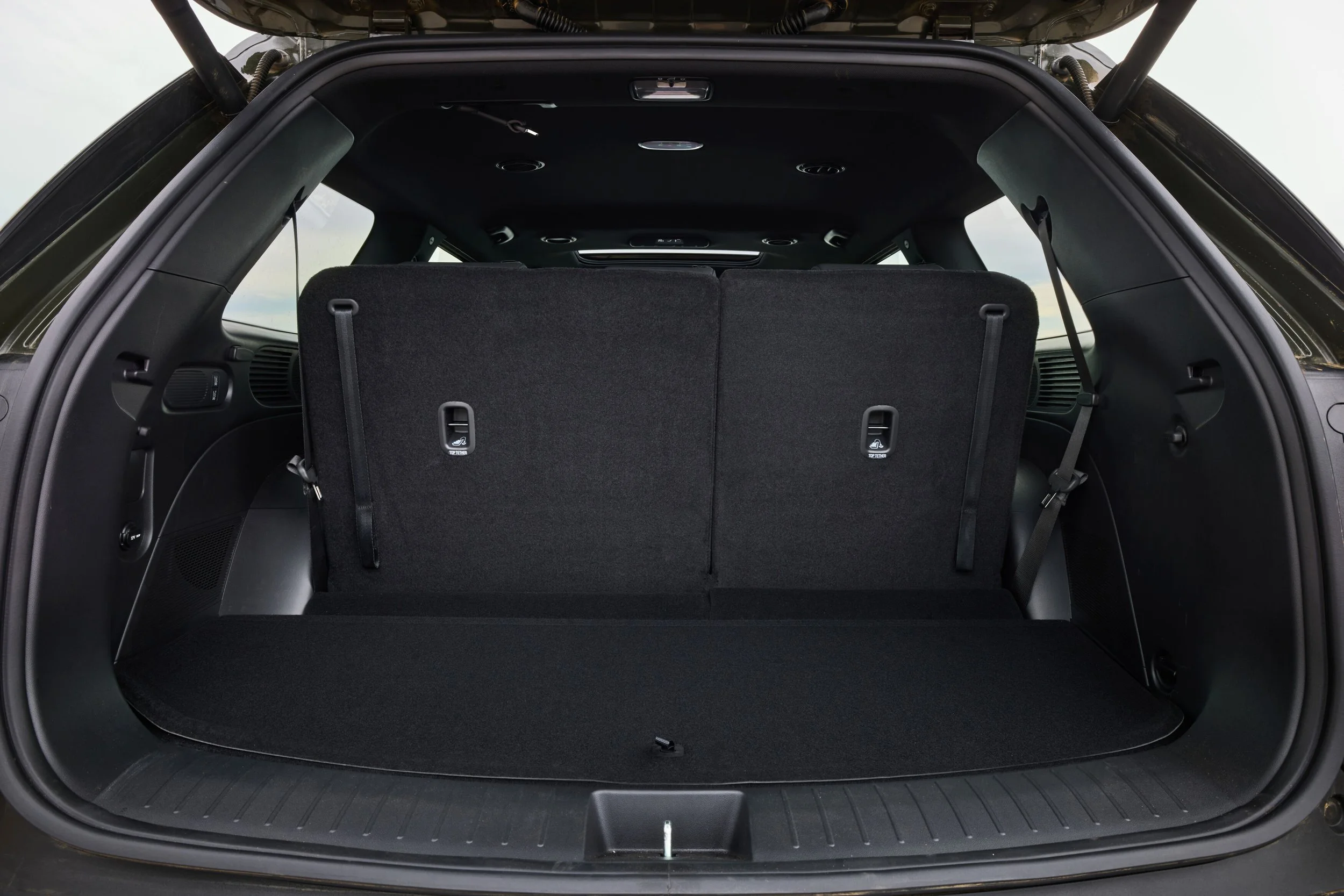
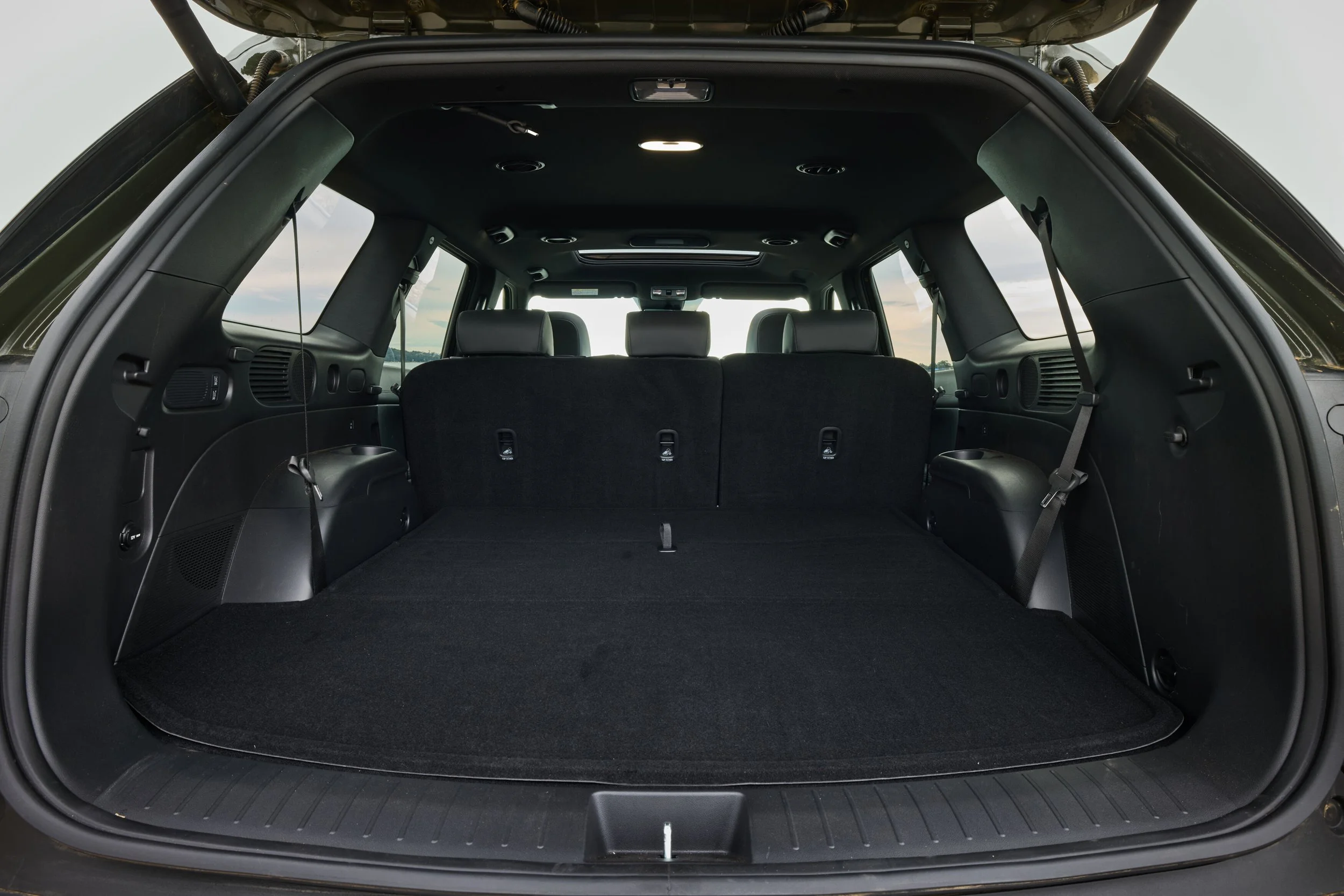
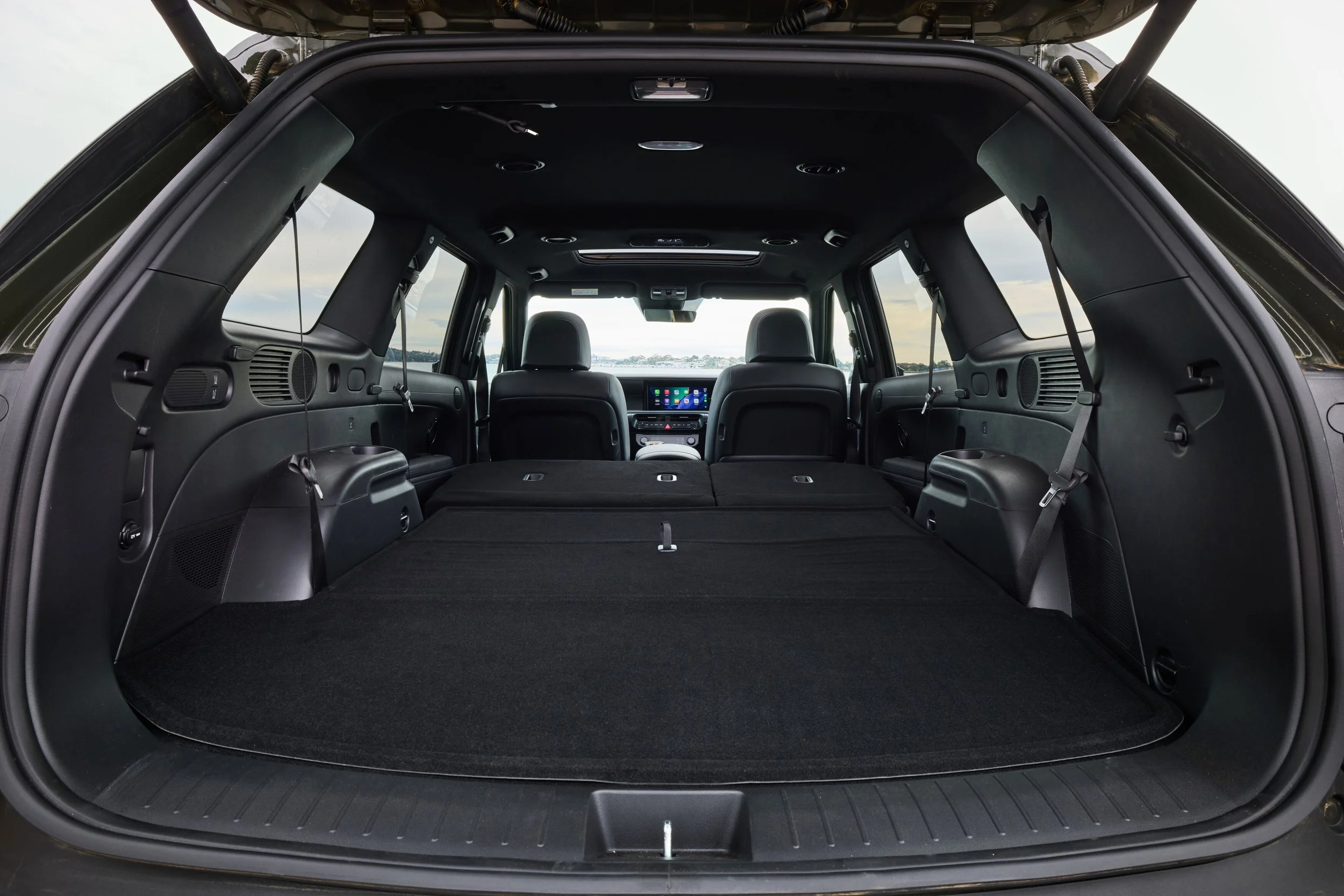
Then there's the boot.
With all three rows in use, there's 317 litres available.
Fold the third row and that expands to 729 litres.
Drop the second and third rows and you've got 2098 litres.
Those are properly useful numbers.
Not brochure-useful.
Actually useful.
It means you can use all three rows and still put things behind them, which sounds like an absurdly low bar until you've lived with some seven-seat SUVs.
And when the third row isn't needed, the Palisade turns into something resembling a very nicely upholstered removal van.
There's also a full-size spare wheel underneath the vehicle.
Thank you, Hyundai.
If you're selling me an SUV specifically engineered to travel further away from sealed roads, a tyre repair kit isn't an acceptable substitute for another tyre.
Infotainment and Technology
The Palisade's technology suite feels suitably modern without requiring you to relearn how to operate a car.
And increasingly, I consider that praise.
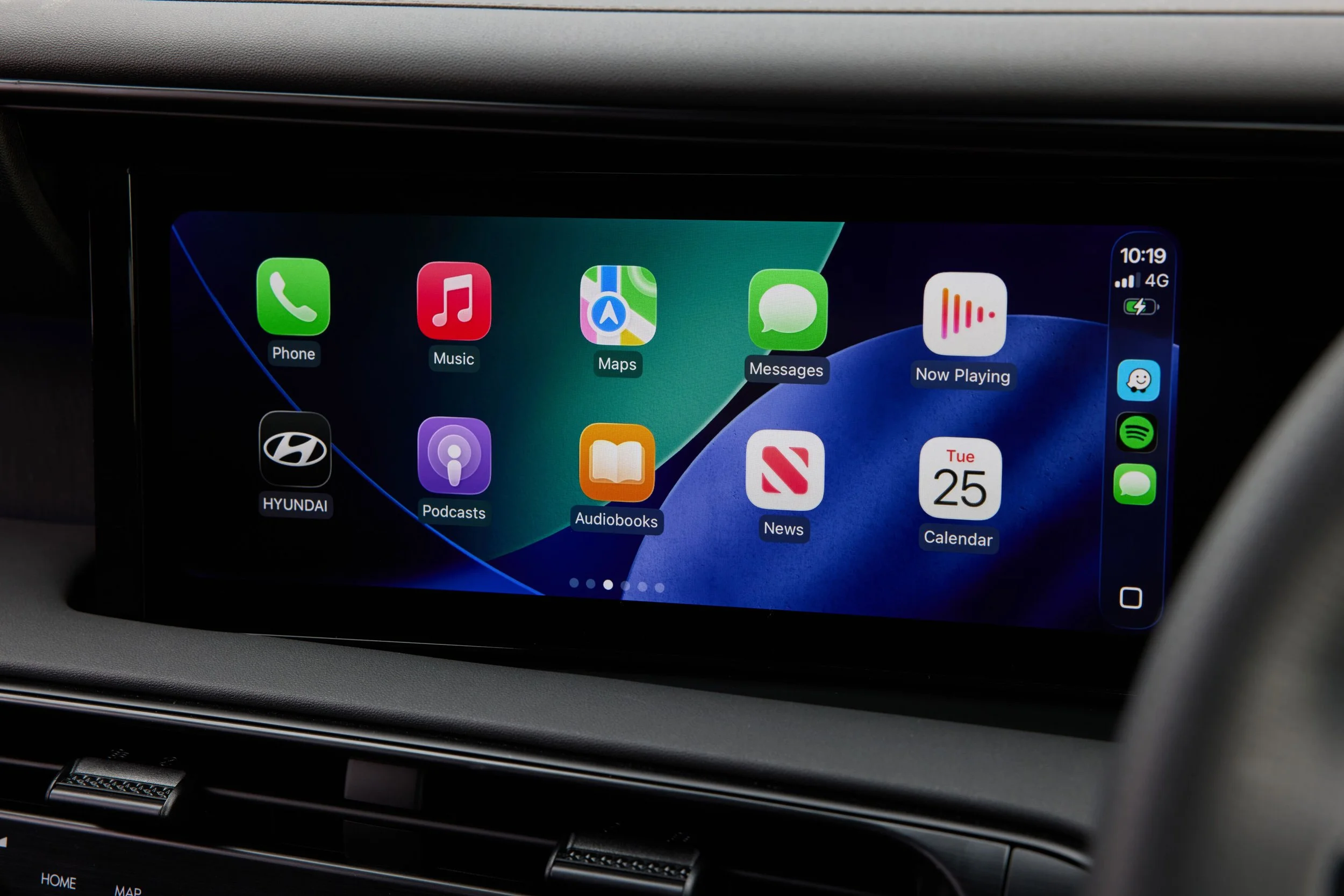
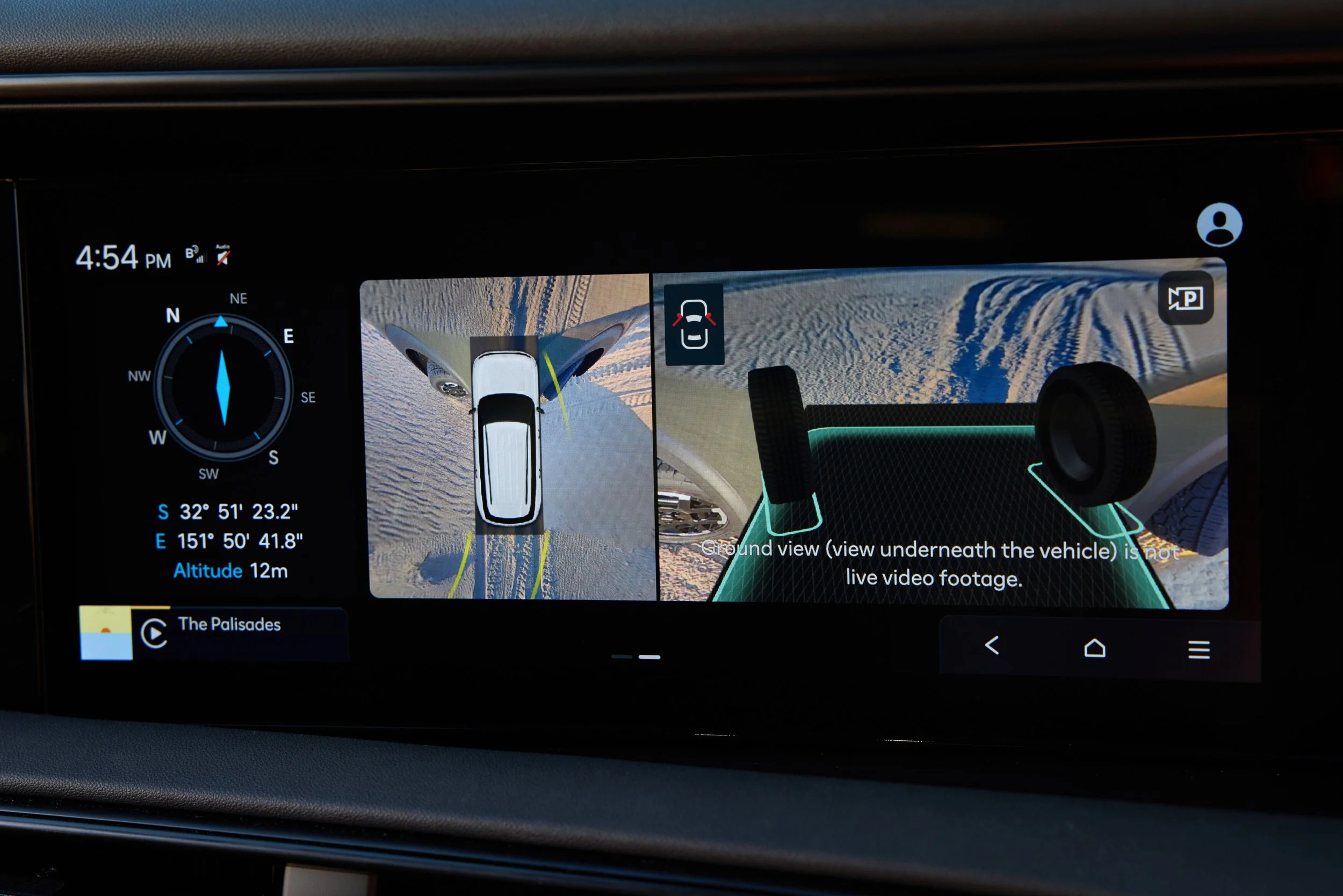
The dashboard is dominated by the panoramic display arrangement, with a 12.3-inch digital instrument cluster paired with a 12.3-inch infotainment screen.
Presentation is crisp, menus are logically arranged and there's enough information available without the whole thing turning into an electronics demonstration.
Wireless Apple CarPlay and Android Auto are included, along with Hyundai's Bluelink connected services and over-the-air update capability.
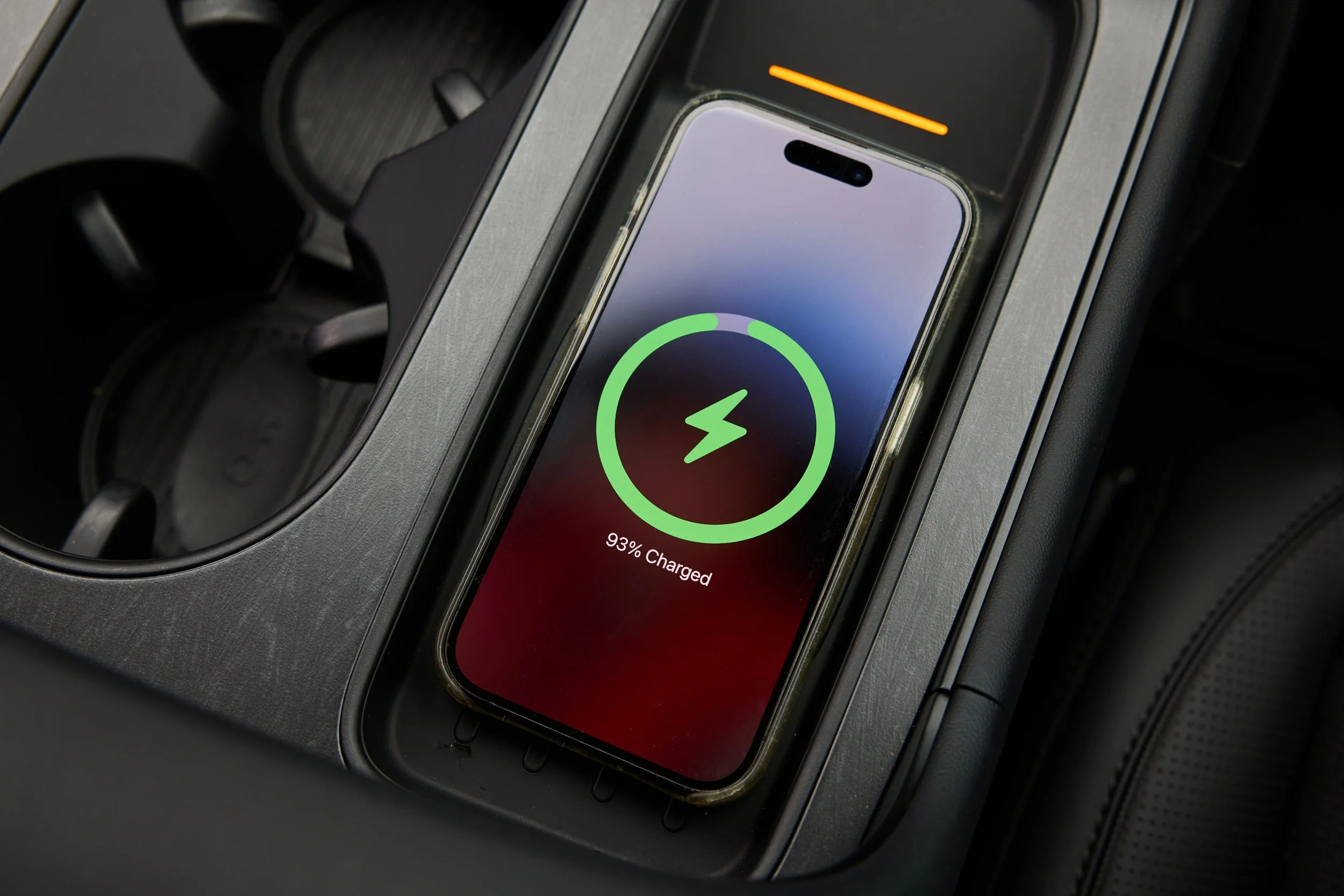
There are also USB-C ports scattered liberally throughout the cabin, wireless phone charging and enough connectivity to keep a car full of children occupied on a long trip.
Again, that matters in something like this.
A vehicle designed for family road trips doesn't merely need to get eight people somewhere.
It needs to prevent those eight people murdering each other before arrival.
On the Road
Here's where the XRT Pro starts explaining itself.
Because it doesn't drive like a Prado.
It doesn't drive like an Everest either.
It drives like a Palisade.
And I mean that as a compliment.
Despite weighing 2258kg and measuring more than five metres long, it never feels particularly cumbersome.
The steering is light enough around town, visibility is good and the general refinement level reminds you that this began life as a large road-going family SUV rather than a ladder-frame off-roader.
That's important.
The 2.5-litre turbocharged four-cylinder makes 207kW and a healthy 422Nm, and while there's no pretending it's moving something lightweight, performance is more than adequate.
There's useful torque when you ask for it, the eight-speed automatic largely gets on with its job without drawing attention to itself, and there's enough shove for overtaking or joining a motorway without planning the manoeuvre several business days in advance.
But this is also where the hybrid elephant enters the room.
Because the regular Palisade Hybrid produces a combined 245kW and 460Nm.
It's more powerful.
It has more torque.
And Hyundai claims just 6.8L/100km compared with 11.2L/100km for the XRT Pro.
That's not a small difference.
The XRT Pro does gain another 200kg of braked towing capacity — 2200kg versus 2000kg — but if your Palisade is going to spend its entire existence doing school runs, commuting and interstate motorway trips, the hybrid drivetrain makes considerably more sense.
Which leads us neatly back to that original question.
Why this one?
When the Road Ends
Because Hyundai hasn't simply dressed the XRT Pro up to look adventurous.
There's a 25mm suspension lift.
Ground clearance rises from 187mm to 212mm.
Approach angle increases from 18.6 to 20.5 degrees.
Departure angle rises from 21.1 to 22.4 degrees.
Ramp-over improves from 15.5 to 18.3 degrees.
There are all-terrain tyres, an electronic limited-slip differential and dedicated terrain modes.
Those aren't enormous numbers by proper off-road standards.
But they're meaningful changes for a Palisade.
And that's an important distinction.
This isn't Hyundai trying to build a Prado.
If your weekends involve winches, rock sliders, diff locks and arguments about tyre pressures around a campfire, buy the Prado.
Or the Everest.
The Palisade isn't trying to beat them at that game.
Instead, I think Hyundai has built something for the considerably larger group of people who like the idea of owning a serious four-wheel-drive considerably more often than they actually require one.
And that's where things get interesting.
Because Most of Us Don't Need a Prado
There.
I said it.
Australia loves proper four-wheel-drives.
We love snorkels, bullbars, recovery boards and enormous all-terrain tyres. We love driving around suburbia looking as though we're approximately 45 minutes away from crossing the Simpson Desert.
But most aren't.
They're going to school.
Woolworths.
Saturday sport.
The airport.
Maybe Noosa for the weekend.
And for those jobs, the Palisade is simply a nicer thing to live with than most ladder-frame four-wheel-drives.
It rides beautifully. It's quiet. The cabin feels expensive. There's acres of room across all three rows and, crucially, it doesn't constantly remind you that somewhere underneath the leather seats is an architecture designed to tow something enormous through a paddock.
It feels like a luxury family SUV.
Because that's what it is.
The XRT Pro just gives it a pair of hiking boots.
Towing and Touring
There is, however, another distinction worth making if you're buying one as an adventure vehicle.
The XRT Pro is rated to tow 2200kg braked.
That's respectable.
But it's nowhere near the 3500kg offered by vehicles like the Everest and Prado.
And that number might make the buying decision for you.
A box trailer? Jet ski? Smaller camper?
No problem.
A big Australian caravan?
Now we're having a very different conversation.
Again, it illustrates what the XRT Pro actually is.
This isn't the vehicle Hyundai expects you to hitch a three-tonne caravan to and disappear around Australia for six months.
It's a family SUV that can tow, rather than a tow vehicle that happens to carry a family.
There's an important difference.
Safety
The current-generation Palisade carries a five-star ANCAP safety rating under the 2025 testing protocols.
Adult occupant protection scored 89 per cent, child occupant protection 86 per cent, vulnerable road user protection 71 per cent and safety assistance 73 per cent.
Standard safety equipment is extensive and includes autonomous emergency braking with car, pedestrian and cyclist detection, junction and crossing assistance, lane-keeping and lane-following systems, blind-spot assistance, rear cross-traffic assistance and the usual collection of cameras and parking sensors you'd hope to find on something measuring 5.09 metres long.
There are also dual front airbags, side chest airbags, curtain airbags, a driver's knee airbag and a front-centre airbag.
For a vehicle whose primary job will ultimately involve carrying families, the latest five-star rating matters.
Ownership
Hyundai backs the Palisade with its five-year, unlimited-kilometre new-car warranty.
There's also lifetime capped-price servicing when maintained through Hyundai's dealer network, while roadside assistance can be extended annually when scheduled servicing is completed with Hyundai.
But ownership is where I'd again think carefully about the petrol XRT Pro versus its hybrid siblings.
An official 11.2L/100km isn't outrageous for a 2.26-tonne petrol SUV with all-wheel drive.
But 6.8L/100km for the hybrid is difficult to ignore.
Over 15,000 or 20,000 kilometres a year, that difference starts becoming real money.
So if you're buying the XRT Pro simply because you prefer the way it looks — and I completely understand why you might — just know that those chunky tyres and rugged bumpers come attached to the thirstier drivetrain.
The Competition
And now we arrive at the awkward bit.
At $79,900 before on-roads, the Palisade XRT Pro doesn't exist in a vacuum.
A Toyota LandCruiser Prado GXL lists for $79,990.
The Ford Everest range gives you multiple serious four-wheel-drive options around this territory.
And if you're looking purely within Hyundai's own showroom, the Palisade Elite Hybrid costs less.
That's three very different arguments.
The Prado says:
I'm the proper four-wheel-drive.
The Everest says:
I'm the proper four-wheel-drive that still drives surprisingly well every day.
The Palisade Hybrid says:
If we're being realistic, you're probably never going off-road anyway.
And then the XRT Pro walks into the room wearing hiking boots and says:
Yes, but what if I want to?
That's its niche.
If you're never leaving the bitumen, I'd have the hybrid.
If you're regularly heading properly bush, towing something substantial or tackling difficult tracks, I'd have the Everest or Prado.
The XRT Pro occupies the strange little piece of territory between those two worlds.
But perhaps that's exactly the point.
It's for the family that spends Monday to Friday doing school runs and commuting, drives up the coast on Saturday, throws bikes and bags into the back, occasionally heads down a forestry trail to find a campsite and wants to know that when the sealed road ends, their weekend doesn't have to.
They don't need a hardcore four-wheel-drive.
They just don't want their SUV deciding where the road finishes.
Verdict
I started this week genuinely wondering why the Palisade XRT Pro exists.
And that's unusual, because I've always understood the Palisade.
I owned one.
The original formula was incredibly straightforward: take the space and practicality Australian families love about large SUVs, wrap it in something comfortable and properly premium, give it a huge equipment list and make it considerably less agricultural to drive than the traditional four-wheel-drive alternatives.
Easy.
The XRT Pro complicates that formula.
At almost $80,000, it's standing uncomfortably close to vehicles with considerably greater off-road and towing capability.
Within Hyundai's own showroom, the hybrid Palisade is considerably more economical and arguably better suited to the everyday driving most owners will actually do.
So the rational part of my brain keeps looking at the XRT Pro and asking:
Why?
And after a week with it, I think I've finally got the answer.
The Hyundai Palisade XRT Pro is not the large SUV I'd recommend to someone asking me for the most capable four-wheel-drive for $80,000.
That's an easy conversation.
Buy the Prado.
Look at the Everest.
Nor is it necessarily the Palisade I'd recommend to someone who will spend their entire life between suburbs.
Buy the hybrid.
But there's a narrow strip of territory between those two buyers where the XRT Pro suddenly makes an enormous amount of sense.
You get most of the everyday refinement, comfort and practicality that makes the Palisade such an excellent family SUV, but with enough genuine additional capability that a dirt road becomes an invitation rather than a warning.
Would I take one across Australia?
Probably not.
Would I happily load the kids into one, point it towards a weekend somewhere beyond the bitumen and not give the road surface another thought?
Absolutely.
And maybe that's the answer to the question I've been asking all week.
The Palisade XRT Pro isn't Hyundai's alternative to the Prado.
It's the alternative for people who've finally realised they probably never needed a Prado in the first place.